Traditional TV Is Still One of the Most Trusted Health Tools for Older Adults
Digital health often defaults to one idea, build an app. But for many older adults, the most reliable screen in the home is not a phone. It is the TV.
This matters because the hardest part of chronic care is not prescribing. It is getting consistent follow through every day, with minimal friction.
TV is still where attention lives
According to the U.S. Bureau of Labor Statistics American Time Use Survey results for 2024, watching TV was the leisure and sports activity that occupied the most time, about 2.6 hours per day on average, and accounted for over half of leisure time.
The same results show adults age 75 and over spent about 7.6 hours per day engaged in leisure and sports activities, more than any other age group.
In simple terms, TV remains a high reach, high familiarity channel, especially for older adults.
The real issue is not access, it is ease
Many older adults do have smartphones. But ownership is not the same as comfort, confidence, and daily habit.
Pew Research Center reporting based on a 2025 survey found that adults age 65 and older are the least likely age group to own a smartphone, but a large majority still do, about 78 percent. Pew also found that adults 65 and older are much less likely than younger adults to say they are online almost constantly.
This gap shows up in practice. Health apps can fail not because patients reject care, but because the workflow adds friction.
- Notifications get ignored or silenced
- Interfaces change and create confusion
- Passwords and updates create drop off
- The tool feels like extra work
Why TV based reminders can outperform apps for seniors
A TV based approach has advantages that map directly to adherence and engagement.
Familiarity
Older adults have decades of comfort with TV. The learning curve is low.
Big screen, clear audio
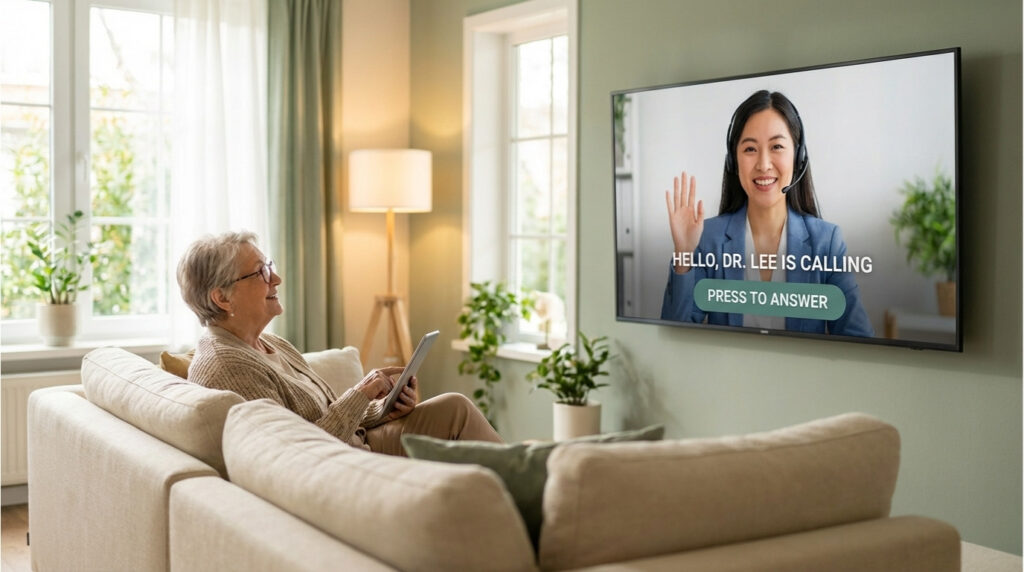
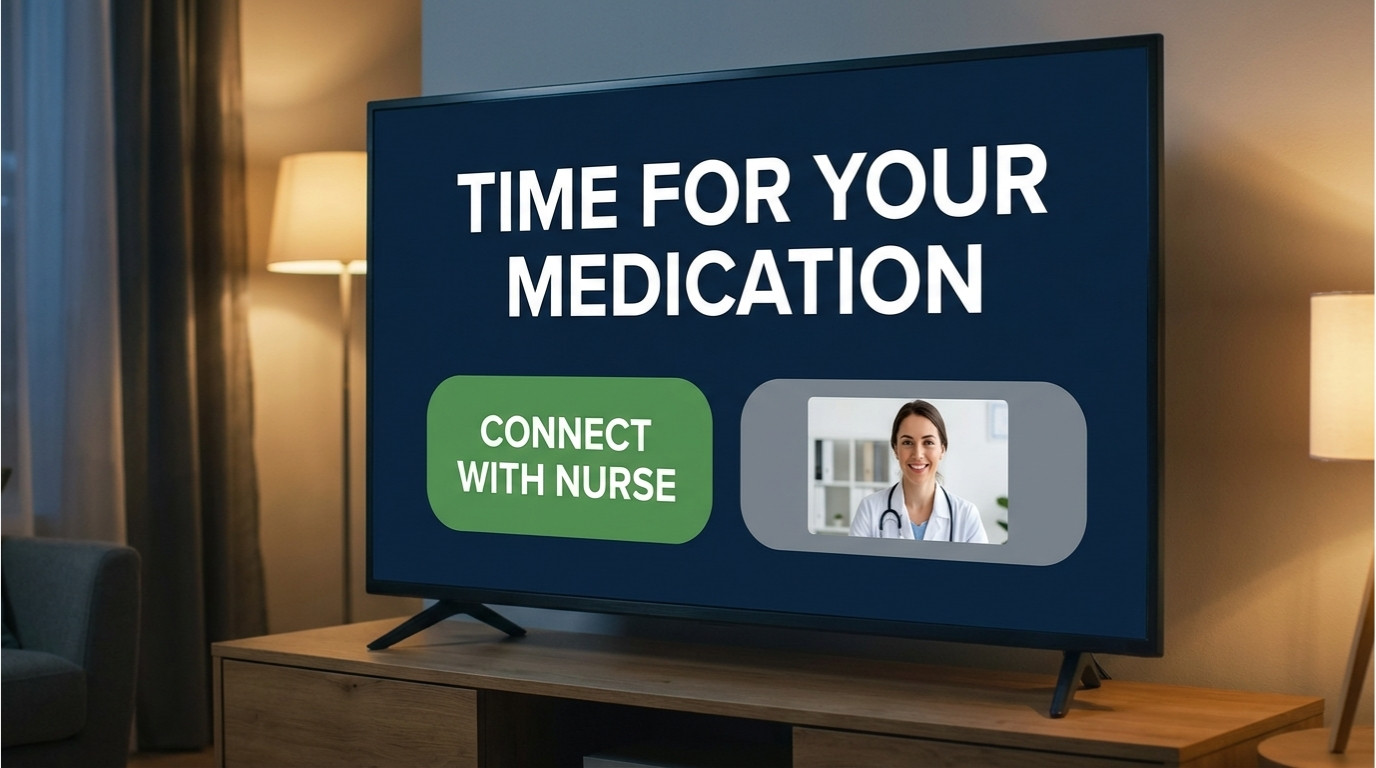
Large text and voice cues are easier to follow than small phone interfaces, especially when vision or dexterity is limited.
Routine and predictability
TV is often turned on at consistent times, which makes it easier to build habits.
Shared support
Family members and caregivers may also see the screen and help reinforce follow through when needed.
Where TV based touchpoints fit in care delivery
If you support older adults, you likely care about outcomes tied to daily consistency.
- Medication adherence and refill gaps
- Post discharge follow up
- Chronic condition check ins
- Reducing avoidable readmissions
- Reducing caregiver burden
TV works well here because it reduces friction at the exact moment where routines break.
How Elevion uses TV and phone touchpoints
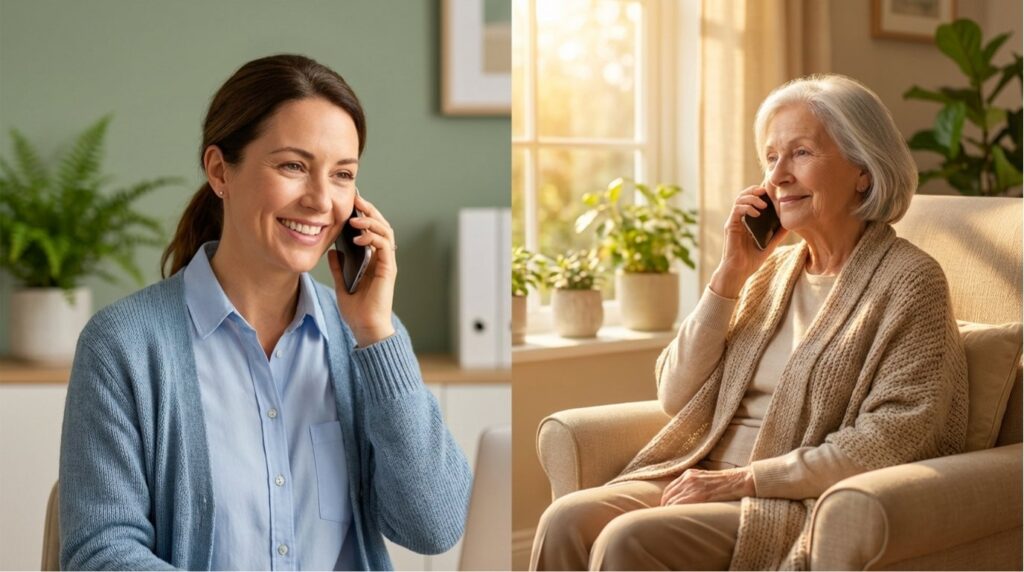
Elevion delivers live, human medication support through smart TV and phone based touchpoints. This helps older adults engage without a complex app workflow, while still receiving consistent daily support.
Next steps
If you support a senior population and want a channel that fits daily reality, schedule a call with Elevion to discuss TV based medication support and workflow integration.
Medical note: This article is for information only and is not medical advice.